
AI Governance Buying Test: The Demo Is Easy, Procurement Is the Real Gate
Most AI initiatives stall when governance answers are vague. Teams close faster when explainability, data handling, controls, and stack fit are designed early.
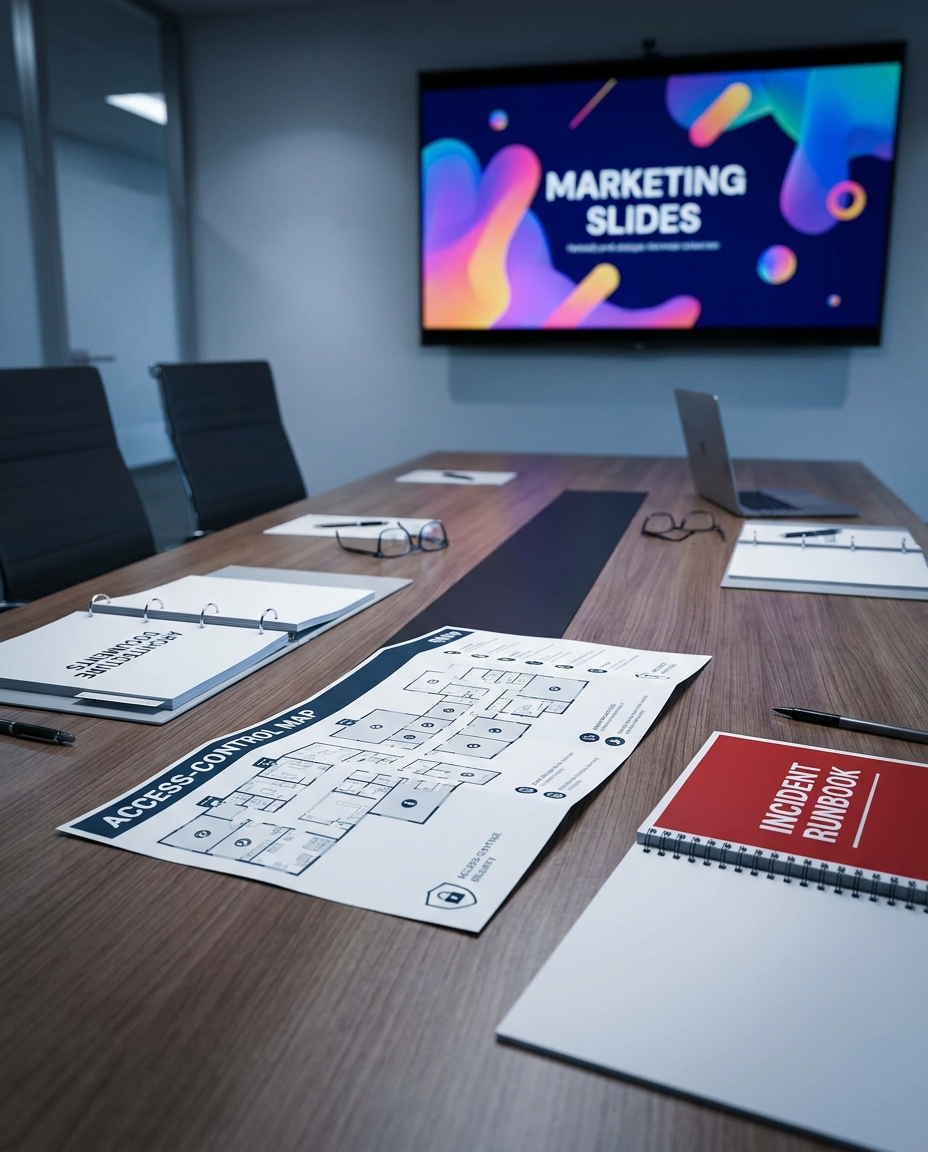
AI demos are designed to create momentum. Procurement and governance reviews are designed to protect the business.
Both are necessary. Problems begin when organizations treat governance questions as a late-stage checkbox instead of an early design input.
That is why many promising pilots end in limbo: high excitement in week one, unclear answers in week six.
Why projects stall after strong demos
Stakeholders are not resisting innovation when they ask hard questions. They are testing operational survivability.
Typical governance checks include:
- where data is stored and retained
- who can query or export sensitive outputs
- how decisions are traced and replayed
- how model and connector changes are controlled
- what the exit path looks like if dependency risk rises
If answers are vague, confidence collapses regardless of demo quality.
Four pillars that should be explicit before buy
1) Explainability
Can your team describe what the system did, what it did not do, and where humans remain accountable?
2) Data handling
Do retention, access controls, and region policies align with your compliance obligations?
3) Change controls
How are prompts, models, and integrations versioned, approved, and monitored?
4) Stack fit
Does the solution integrate cleanly with identity, logging, monitoring, and existing workflows?
These pillars reduce “pilot theater” and increase implementation confidence.
Governance as acceleration, not bureaucracy
Teams often frame governance as friction. In production, governance is speed insurance.
Without it:
- procurement cycles stretch
- cross-functional trust drops
- incident risk rises
- transformation credibility declines
With it:
- decisions happen faster under pressure
- responsibilities are clear
- expansion pathways are easier to approve
Governance quality directly affects time to production.
A practical pre-procurement checklist
Before final vendor selection, require:
- Architecture and data-flow diagram for your real environment
- Role-based access and audit-log specification
- Change-management process for model and connector updates
- Incident and rollback ownership model
- De-risked migration/exit outline
If these are missing, pause the purchase decision. You likely have a pitch, not infrastructure.
Governance readiness scoring model
Use a simple 0-2 score for each pillar:
- Explainability: from “black box” to documented decision trace.
- Data handling: from “unclear storage” to policy-aligned controls.
- Change controls: from ad hoc updates to approved version process.
- Stack fit: from isolated pilot to monitored enterprise integration.
Total score creates clear next actions:
- 0-3: not procurement ready
- 4-6: conditional pilot with strict controls
- 7-8: production-ready governance baseline
A scoring model turns subjective risk debates into actionable planning and helps cross-functional teams align faster.
What strong vendors do differently
Strong vendors bring governance artifacts early and treat risk questions as core design requirements.
Weak vendors treat governance as a tax to navigate after enthusiasm is secured.
That difference predicts downstream performance more reliably than demo polish.
Closing
The goal is not to kill momentum with process. The goal is to keep momentum from collapsing at contract and production time.
If you want AI initiatives that survive procurement, legal, and operations review, design for governance from day one. Clear boundaries, clear ownership, clear failure modes.
The demo wins attention. Governance wins deployment.